The Wild Turtle Dove Project
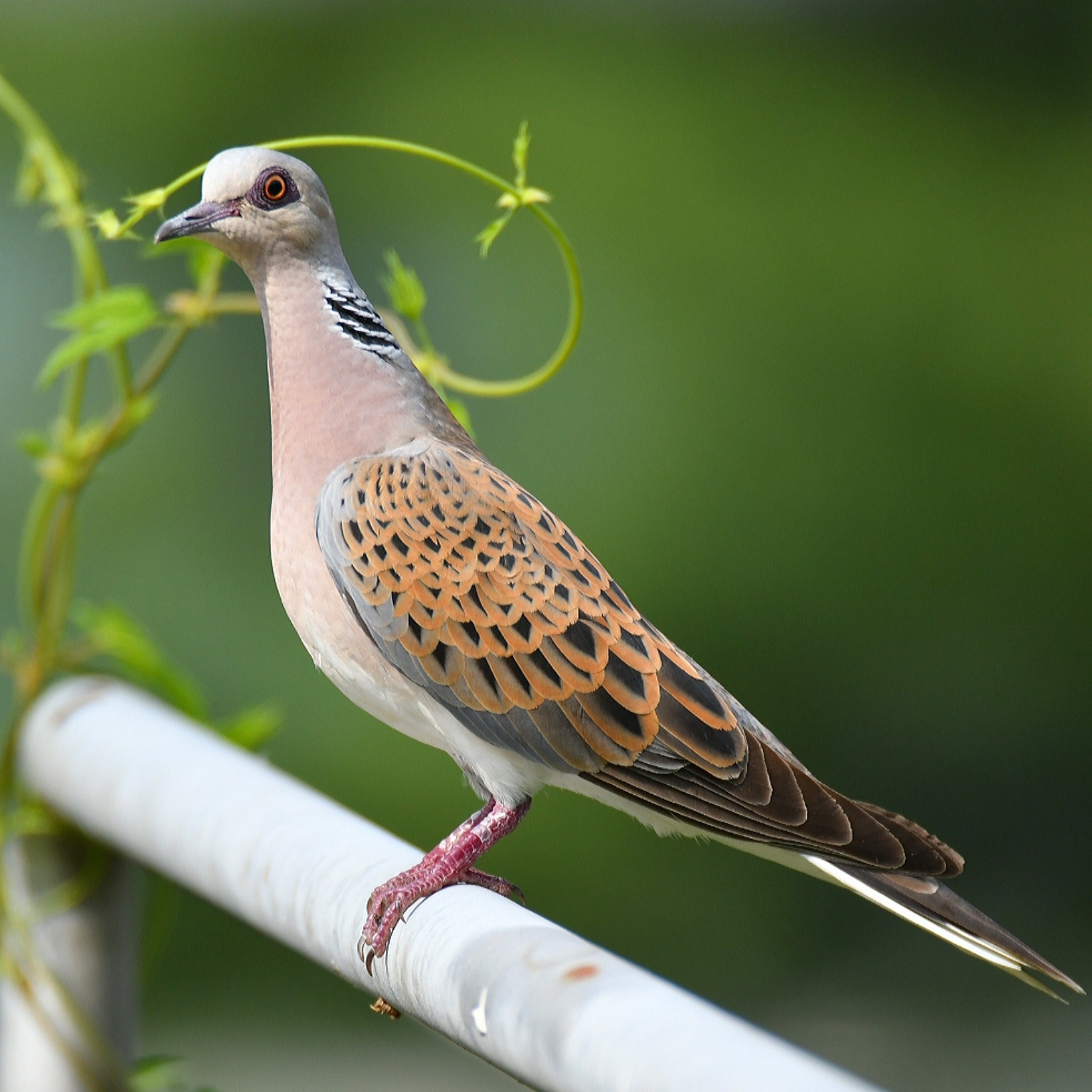
As part of the project to conserve birdlife in Ticino’s traditional agricultural areas, Ficedula and BirdLife Switzerland are also working to promote the Eurasian Turtle Dove and its habitat.
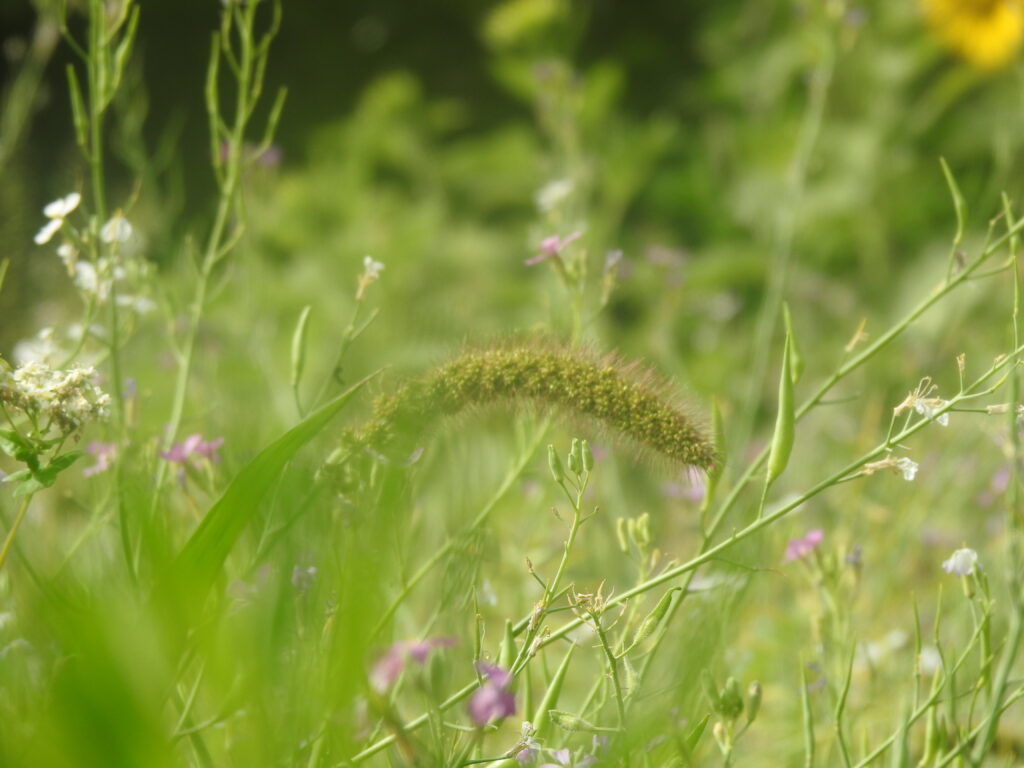
Among the measures implemented are the restoration and planting of new hedgerows and the creation of flower-rich fallow fields and ruderal areas as foraging sites. Given the species’ critically endangered status worldwide, these conservation efforts are essential—even in an area with a very small population of wild turtle doves, such as the Magadino Plain.
From 2020 through 2024 and 2026, a systematic survey of this small but important population was conducted on a national scale.
As part of this project, flower-rich fallow fields are being tested using a mixture of seed-rich plants to increase food availability for threatened seed-eating species such as the Eurasian Turtle Dove.
The fields are no longer as teeming with life as they once were. Many birds, once naturally found on farmland, now face a shortage of food and shelter. The Eurasian Turtle Dove is heavily dependent on the availability of seeds from the moment it arrives in our latitudes in late April. This and other species are suffering from the disappearance of what is known as “arvense flora”—the collection of wild plants that grow primarily in cultivated fields.
Other seed-eating birds, particularly finches and buntings, are affected by the lack of food availability, especially during the winter. Stubble, crop residues, or standing plants—which in the past helped them survive the cold season—have largely disappeared due to modern agricultural practices. The consequences are clear: fewer bird species, smaller populations, and declining biodiversity.
The seed mixes specially developed by BirdLife offer a solution to this problem, balancing the needs of agriculture with those of nature. Composed of wild and cultivated plants, they provide a rich variety of flowers for insects in the spring and summer, making the seeds needed to feed the Eurasian Turtle Dove immediately available, and offer an abundance of seeds for birds in the fall and winter.
For more information:
Browne, S. J., and Aebischer, N. 2003. Habitat use, foraging ecology, and diet of Turtle Doves ( Streptopelia turtur ) in Britain. *Ibis* 145: 572–582.
Browne, S. J., and Aebischer, N. 2004. Temporal changes in the breeding ecology of European Turtle Doves ( Streptopelia turtur ) in Britain, and implications for conservation. *Ibis* 146: 125–137.
Carboneras, C., Šilarová, E., Škorpilová, J., and Arroyo, B. 2024. Rapid population response to a hunting ban in a previously overharvested, threatened landbird. Conservation Letters 17(6): e13057.
Fisher, I., Ashpole, J., Scallan, D., Proud, T., and Carboneras, C. 2018. International Single Species Action Plan for the Conservation of the European Turtle Dove, Streptopelia turtur (2018–2028). European Commission.
Lormée, H. 2015. The Importance of Hedgerow Habitat for a Species of Conservation Concern: the Eurasian Turtle Dove. Faune sauvage 308: 22–24.
www.birdlife.ch/ticino
-
Project: Balia with a Collar
13 April 2025 -
Dötra Birdlife Project
30 October 2025 -
Wild Turtle Dove Project
3 July 2026