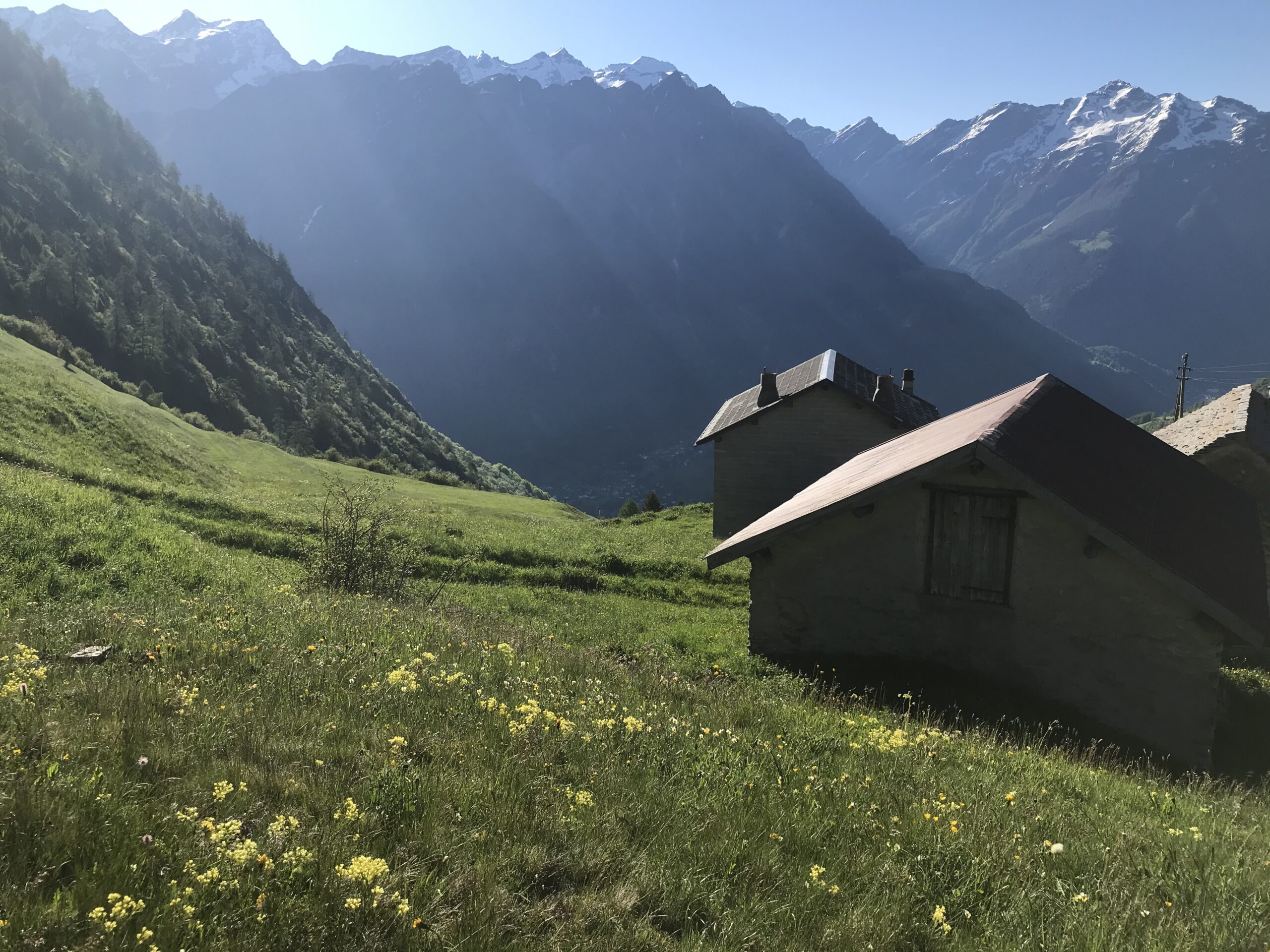
At the extraordinary meeting on September 21, 1995, Ficedula therefore decided, with the financial support of the Ornithologische Gesellschaft Zürich, to purchase a 47-hectare area to preserve it for Alpine birdlife and, more generally, as a contribution to biodiversity conservation. To this end, on October 18 of that same year, the Dötra Foundation was established through a charter signed by two representatives of Ficedula, Marzio Rondelli and Marco Salvioni, and Rolf Kunz as a representative of the Ornithologische Gesellschaft Zürich.
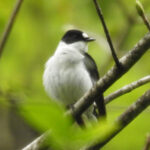
Construction was thus averted, and the area has been able to maintain a very rich avifauna to this day, with nesting species including the Black Grouse, Quail, White-throated Needletail, Collared Blackbird, Great Reed Warbler, Lesser Reed Warbler, Reed Warbler, Eurasian Siskin, and Yellow Bunting. The alpine meadows are still home to numerous pairs of Skylarks, a species in sharp decline that has completely disappeared from the plains of Ticino in recent years. The Corn Bunting maintains a stable population of about 30 breeding pairs in the meadows of Dötra. The Dötra region is included among the Important Bird and Biodiversity Areas, areas of exceptional importance for biodiversity and especially for birdlife.
Since 2002, the area has been managed as part of an interconnection project. Late mowing is essential for ground-nesting species; thanks to contracts, grants, and the cooperation of many farmers, it takes place only after July 15, when the chicks of whinchats, skylarks, and quails have left their ground nests.
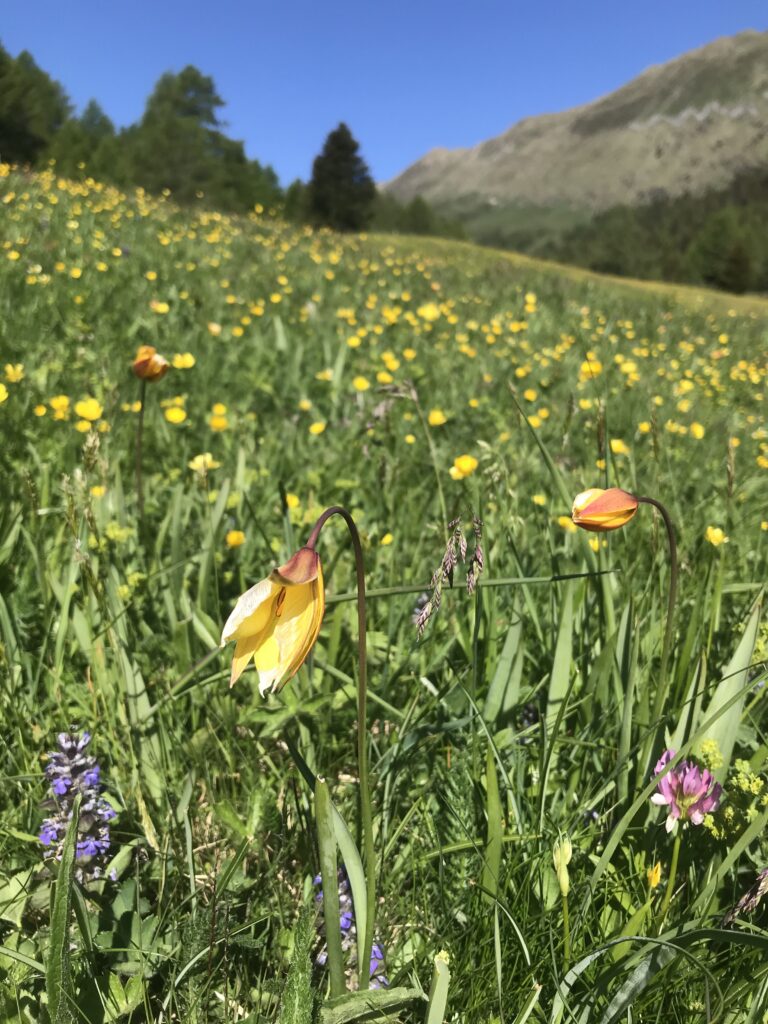
The area is also well known for its flora; the meadows are full of orchids, and the blooming of the Paradisea is famous.