Did you find a baby chick and don't know what to do?
BEFORE you call or write to us, please read this information carefully!
Is it better to pick it up or leave it where it is?
In most cases, you should NOT intervene: the best thing to do is LEAVE IT WHERE IT IS! In fact, a chick has a better chance of surviving if left in its natural environment under the care of its parents. The chicks of many species of passerines leave the nest on their own BEFORE they can fly: this is completely NORMAL.
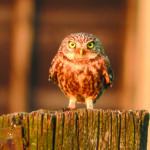
This category includes, for example, many members of the Turdidae family, such as blackbirds and redstarts, as well as nocturnal birds of prey like owls. These animals are NOT abandoned but are cared for by their parents. Sometimes it’s hard to spot them, but they’re there! Furthermore, for all chicks, it is not only essential to learn to fly, but it is also CRUCIAL that they stay with their parents for an average of 2–3 weeks after they have fledged. Taking them in, therefore, means removing them from their parents’ care and jeopardizing their chances of returning to the wild!
If a young bird is in the middle of the street or within a cat’s reach, you can move it to safety in a hedge or place it in a cardboard box in an elevated spot—for example, in a tree (within about 50 meters). Parents do NOT abandon their chicks!
When should you contact us?
Some species do indeed need help once they have fallen out of the nest.
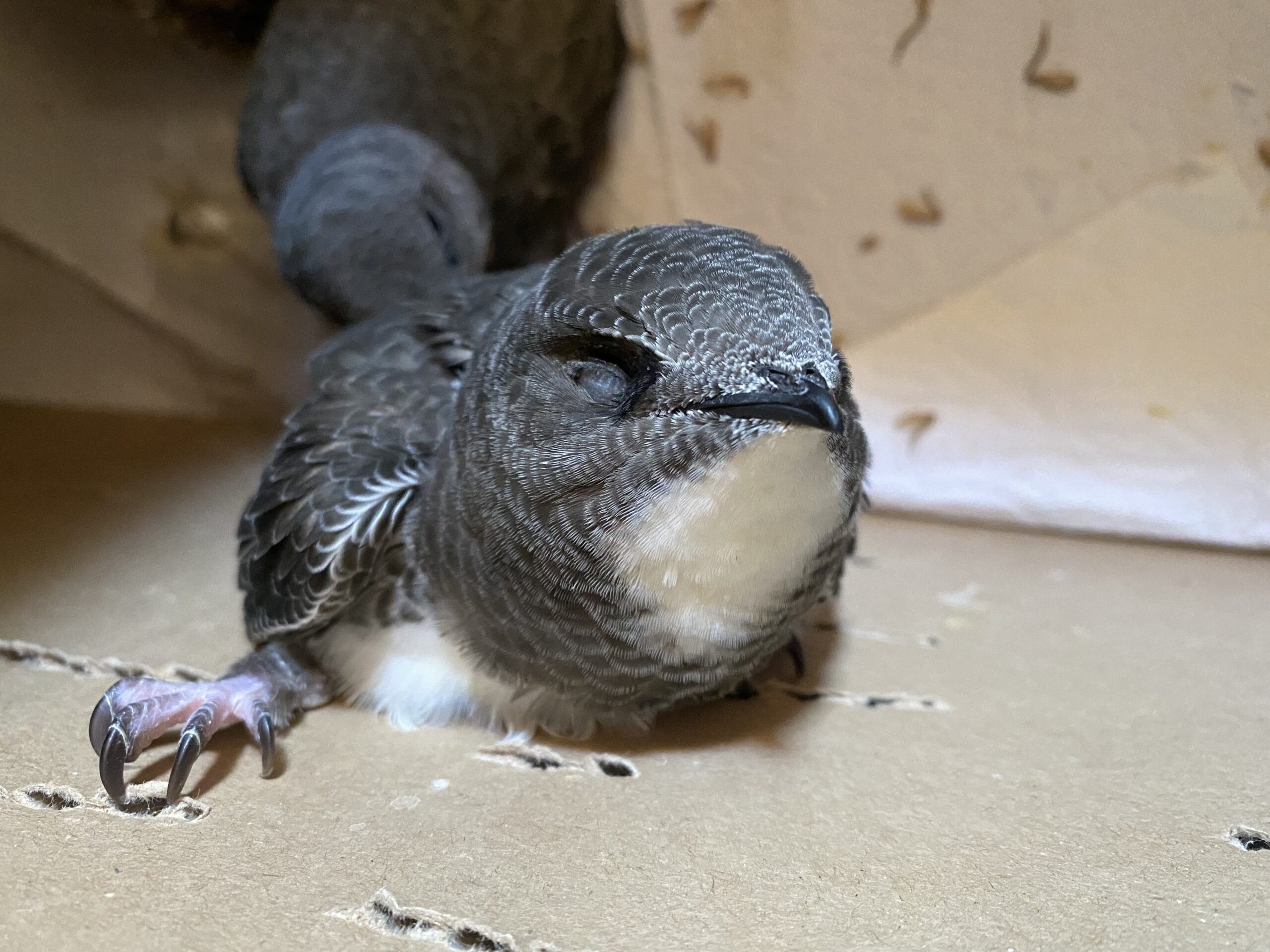
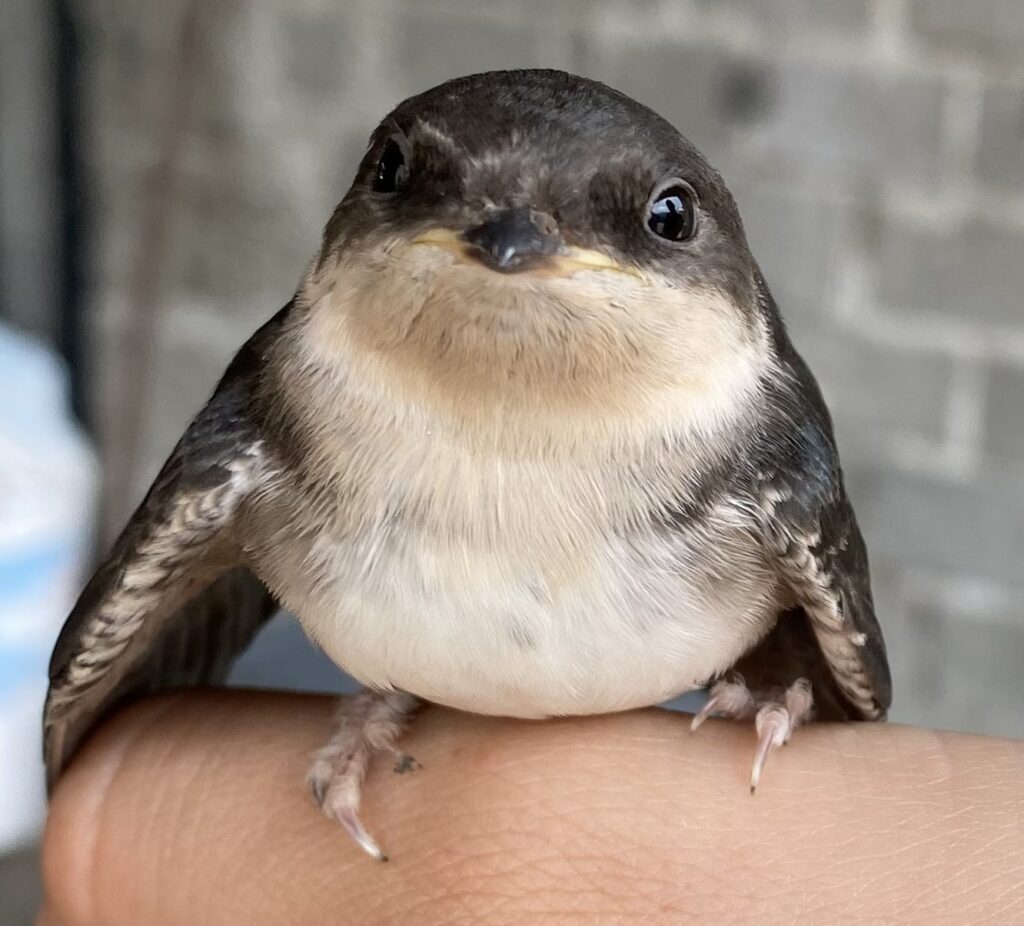
For example, house martins, swallows, and swifts—if found on the ground—require active assistance from humans.
We would also like to remind you that the keeping and breeding of wild animals are prohibited under the Federal Act on Hunting and the Protection of Wild Mammals and Birds (Art. 17).