The Rondine Project
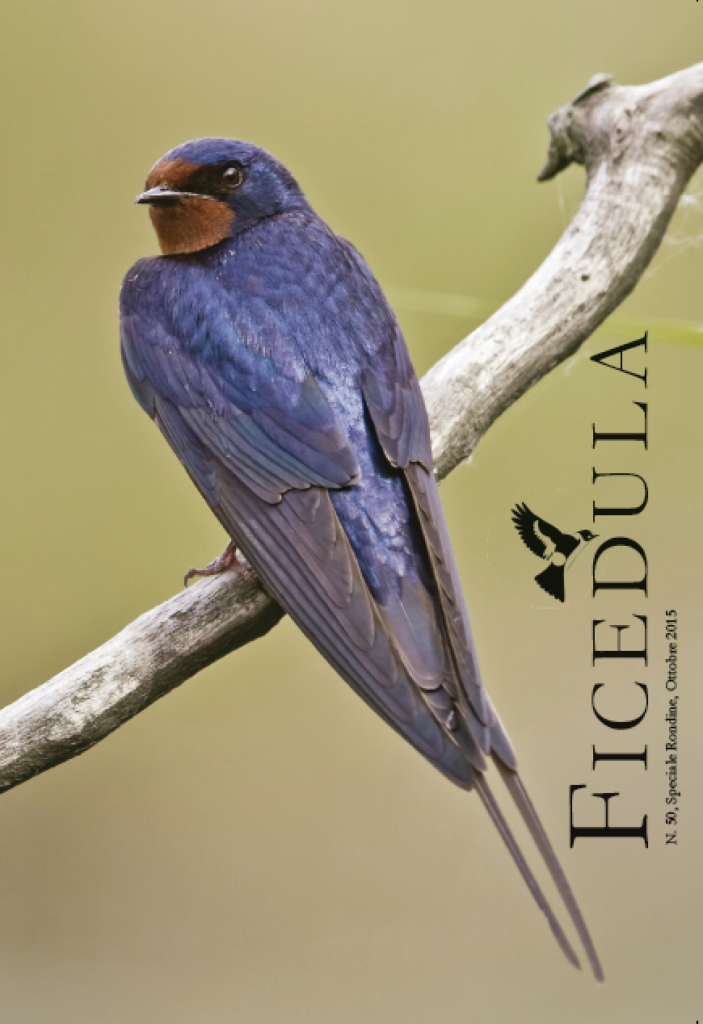
A symbol of spring and the deep connection between humans and nature, the swallow has long been at the heart of Ficedula’s projects.
Since 2009, the swallow has been the focus of research on migration as part of an Interreg Italy-Switzerland project. Thanks to the development of innovative devices—geolocators—it was possible for the first time to identify the wintering grounds of swallows from Ticino.
The study, which lasted five years, revealed that most of them spend the winter straddling the Equator, primarily in Nigeria, Cameroon, and the Central African Republic. As the crow flies, the average distance between the Magadino Plain—the study area—and these locations in Central Africa is at least 5,500 km. The journey took an average of about 20–25 days to reach Central Africa, with average migration speeds of 200–270 km per day. Some male individuals reached South Africa, covering a straight-line distance of at least 9,000 km in just over 40 days. Most swallows spent the entire winter in a single location, while only one-third of the swallows used multiple wintering sites. Thanks to this project, much more information has been gathered in just a few years than had been obtained through over a century of banding this species.
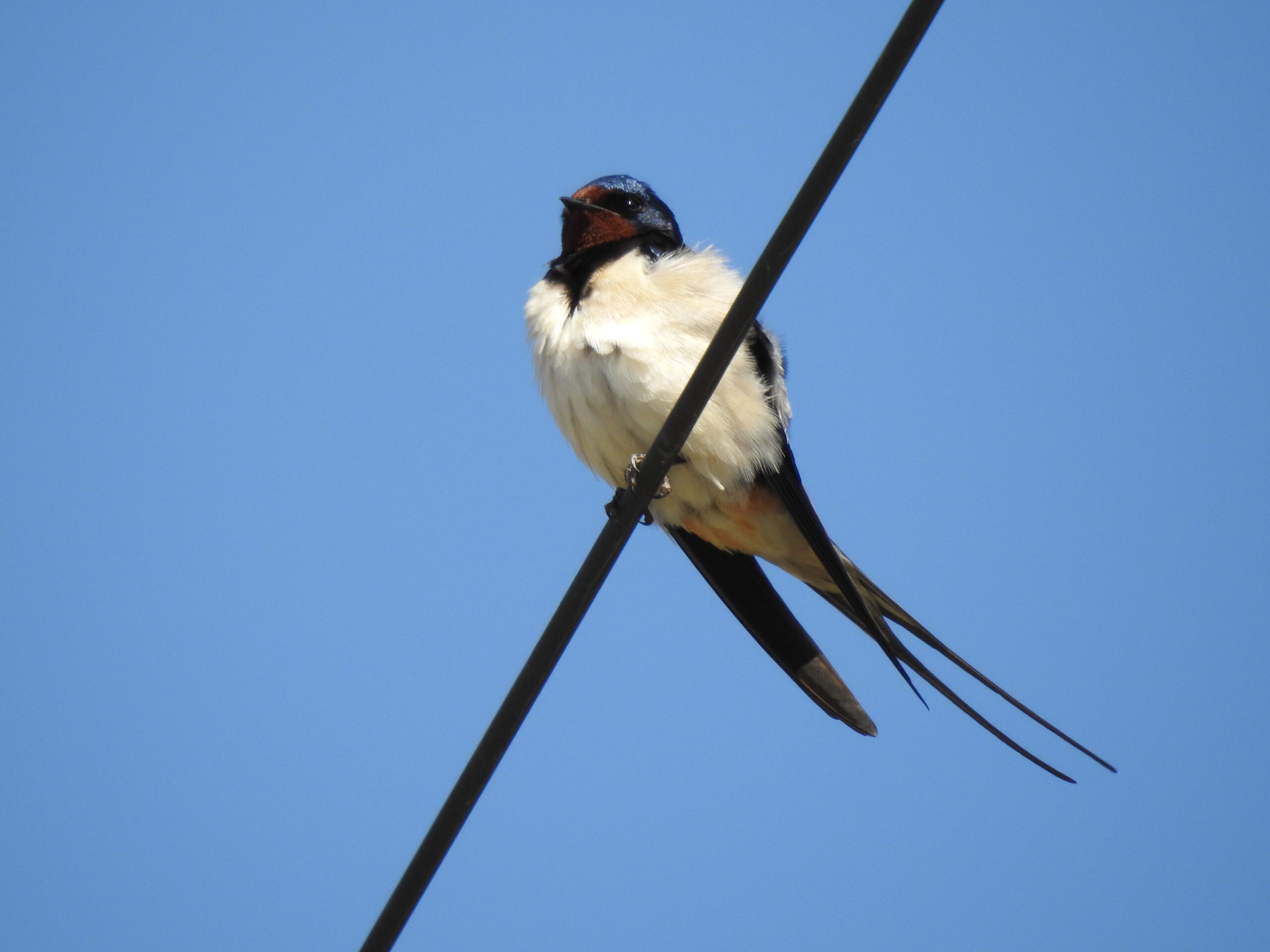
Population monitoring subsequently continued, at least in the main colonies, through 2025, when a new cross-border conservation project was launched as part of the Interreg Italia program–Switzerland “ECOsistemi di COnfine” program, which promotes shared and sustainable management of the Ticino River Ecological Corridor, one of the main natural arteries of the Insubric region.
The new project aims to update the census of swallows in Switzerland and Italy, with a particular focus on the Magadino Plain, by conducting a new inventory and identifying priority colonies. Other key objectives include raising awareness among municipalities along the border, producing new educational materials, engaging schools through educational activities and cross-border partnerships, and promoting the project via social media, with the goal of increasing public awareness and participation on this issue.
In addition to Ficedula, the project is being carried out in collaboration with the Bolle di Magadino Foundation and the Piano di Magadino Park Foundation. The initiative combines scientific research, awareness-raising efforts, and active community participation to support the conservation of a species that is as fascinating as it is fragile.
The studies have also helped identify the conservation measures needed to keep the population healthy, both in terms of colony structure and the management of the surrounding environment.
-
Wild Turtle Dove Project
3 July 2026 -
Balestruccio Project
13 April 2025 -
Black Bunting Project
3 July 2026