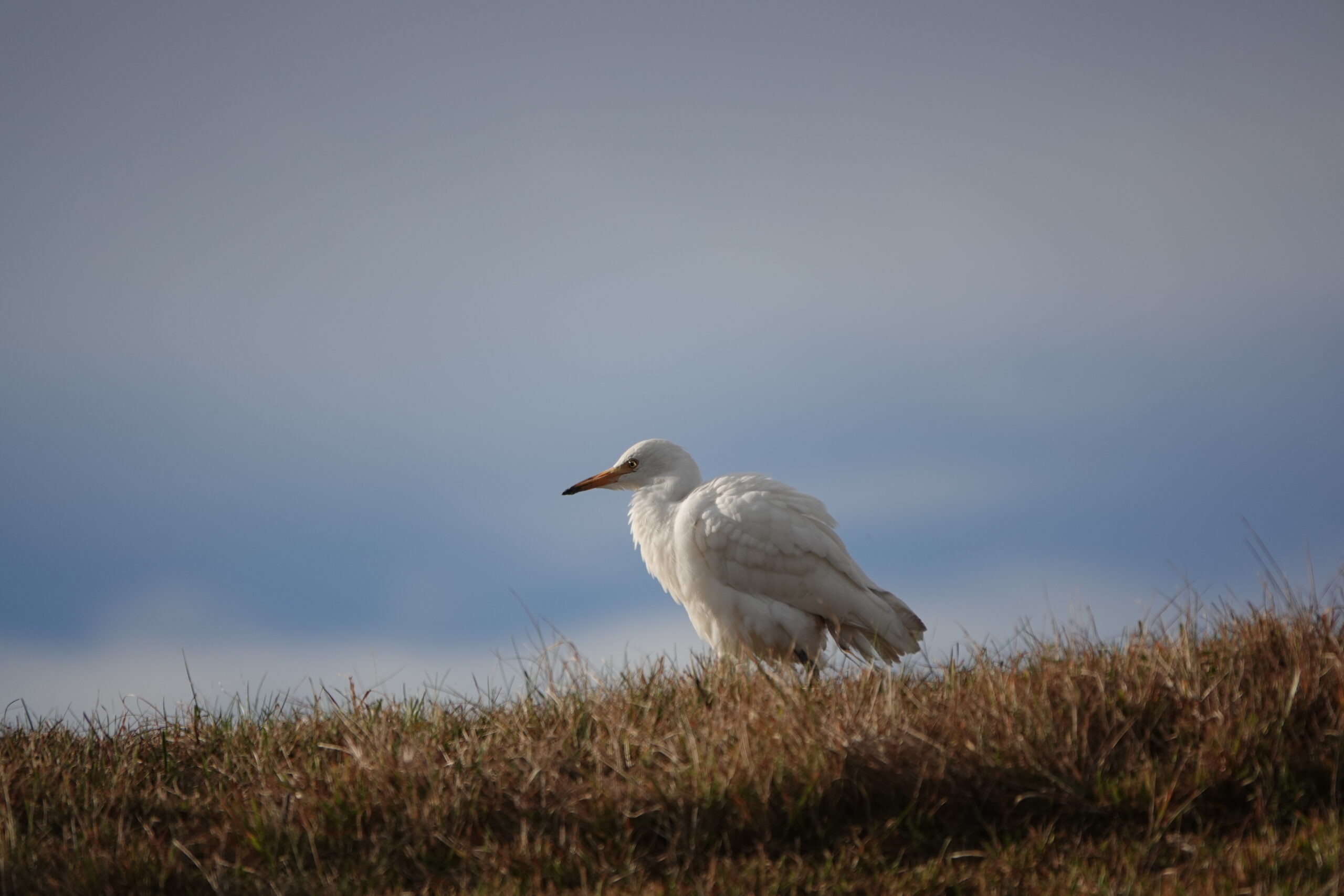
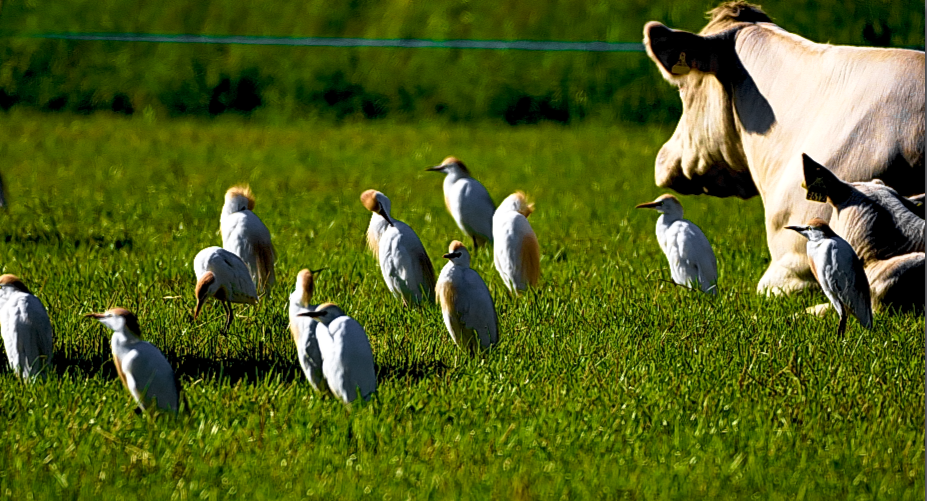
The increase in populations south of the Ticino River—also aided by a series of mild winters—has led to a growing presence of vagrant individuals. At first, these were isolated individuals: the first record for Ticino was made at Bolle di Magadino on April 15, 2002. The first winter sighting, however, was in Mendrisio on January 18, 2004. It was not until 2008 that the species began to be reported annually at at least six different locations in the canton. It was not until 2020 that a more widespread presence was observed, with groups of dozens of individuals. The Mendrisiotto region records the highest numbers: ranging from a few dozen to over 80 individuals at a time. The all-time record was set in Campagna Adorna in Genestrerio, where 100 individuals were observed on February 16, 2024. In addition to Mendrisiotto, the regions most affected are the Lugano area and the Magadino Plain, though sporadic sightings are now also occurring in the Sopraceneri valleys.
The first nesting in Ticino took place in 2023 at Bolle di Magadino.